Connectivity
Rwanda has an excellent mobile phone network covering almost the entire country, and international calls can be made easily. Local SIM cards are readily available everywhere, even in remote towns. The main provider is MTN, followed by Airtel. Mobile phones can be purchased or rented from major shops in Kigali.
Rwanda is among the top three African countries in terms of internet connectivity. There is high speed 4G LTE wireless broadband in major cities. Most towns have several internet cafes and wifi is available in higher end hotels.
Plastic Ban
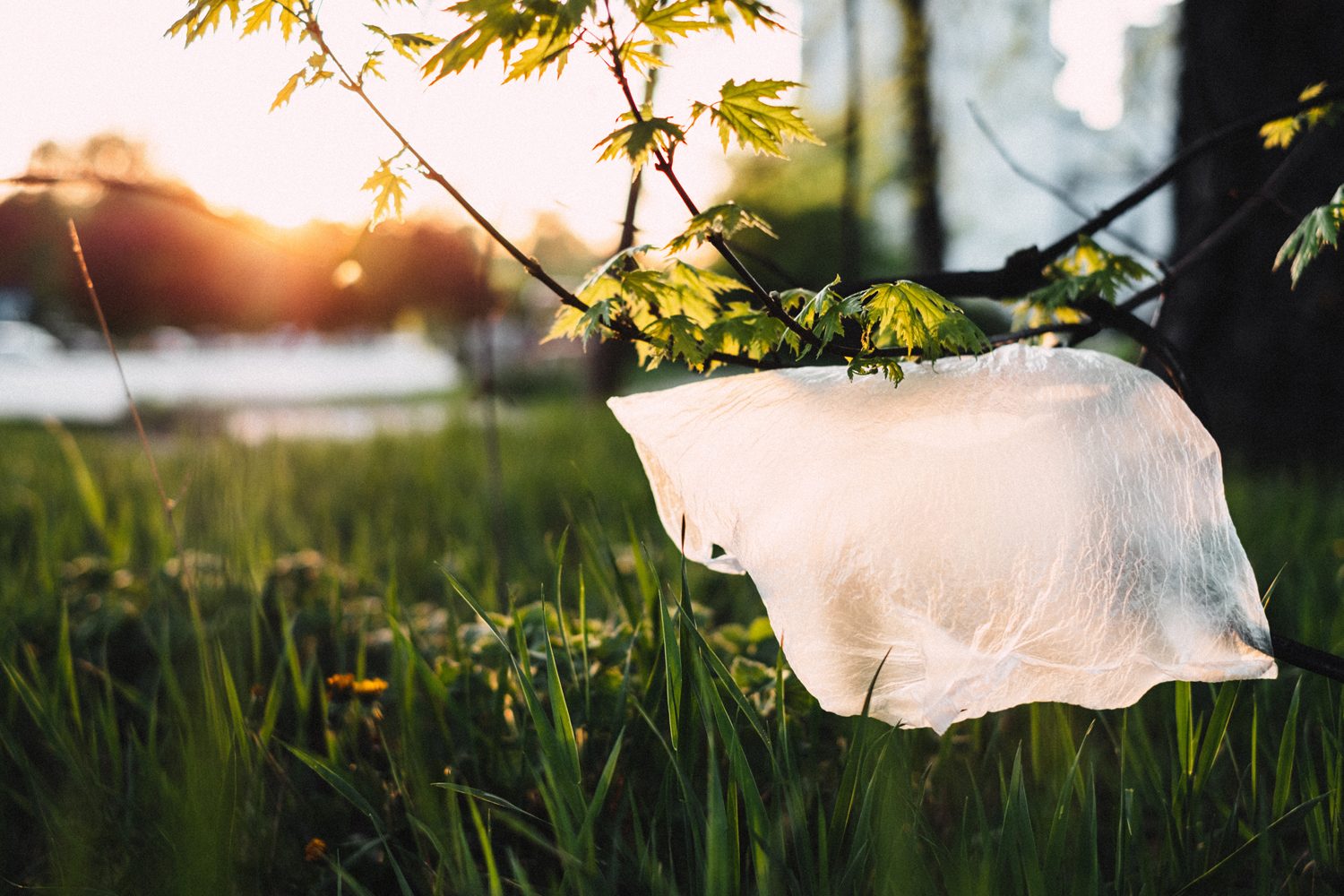
Please refrain from bringing plastic bags to Rwanda. Banned by law since 2008, any plastic bags in your luggage will be confiscated at the airport or other point of entry.
We respectfully request that all visitors help us keep Rwanda the cleanest country in Africa, and dispose of all litter responsibly.
Drones
A permit is required to fly a drone recreationally or commercially in Rwanda.
Drones must be marked with a registration number assigned by the RCAA.
For more information, please consult the RCAA website or email enquiries to: d.fss@caa.gov.rw.
Money
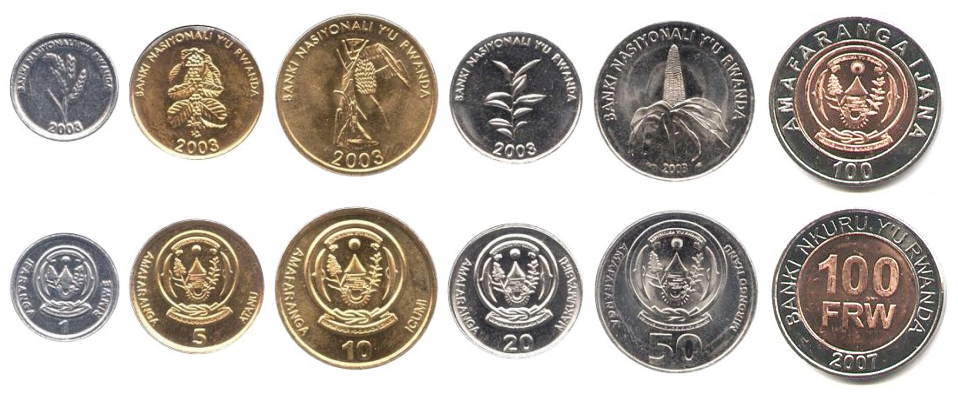
The Rwandan Franc (Frw) is the principal currency, although US dollars are widely accepted.
Expect to pay for local services in cash, in Rwandan francs. The greater the amount, the more likely US dollars or other hard currencies are preferred, such as gorilla tracking and upmarket hotels.
A growing number of places accept credit and debit cards, with Visa being more widely accepted than Mastercard. It’s best to check when making a booking.
ATMs can be found in Kigali and nearly all major cities.
Cash can be exchanged at banks and private forex bureaux (bureau de change). Both are closed on Sundays and public holidays.
It may be impossible to exchange traveller’s cheques away from the capital. Western Union facilities are common.
Weather
Fractionally south of the Equator and with much of the country lying at altitude, Rwanda enjoys an agreeable tropical highland climate. Temperatures vary considerably between locations, but vary little from month to month.
Peak temperatures rarely exceed 30°C (86°F) in the daytime or drop below 15°C (59°F) at night. Akagera is generally the warmest and the Virunga mountains the coolest. The average daily temperature in Kigali is 21°C (70°F).
There are two rainy seasons in a year, from mid-February to May and mid-September to mid-December. The dry season, from June to mid-September, sees light cloud cover and occasional light rainfall. The roads and paths tend to be easier to navigate in this period.
Terrain
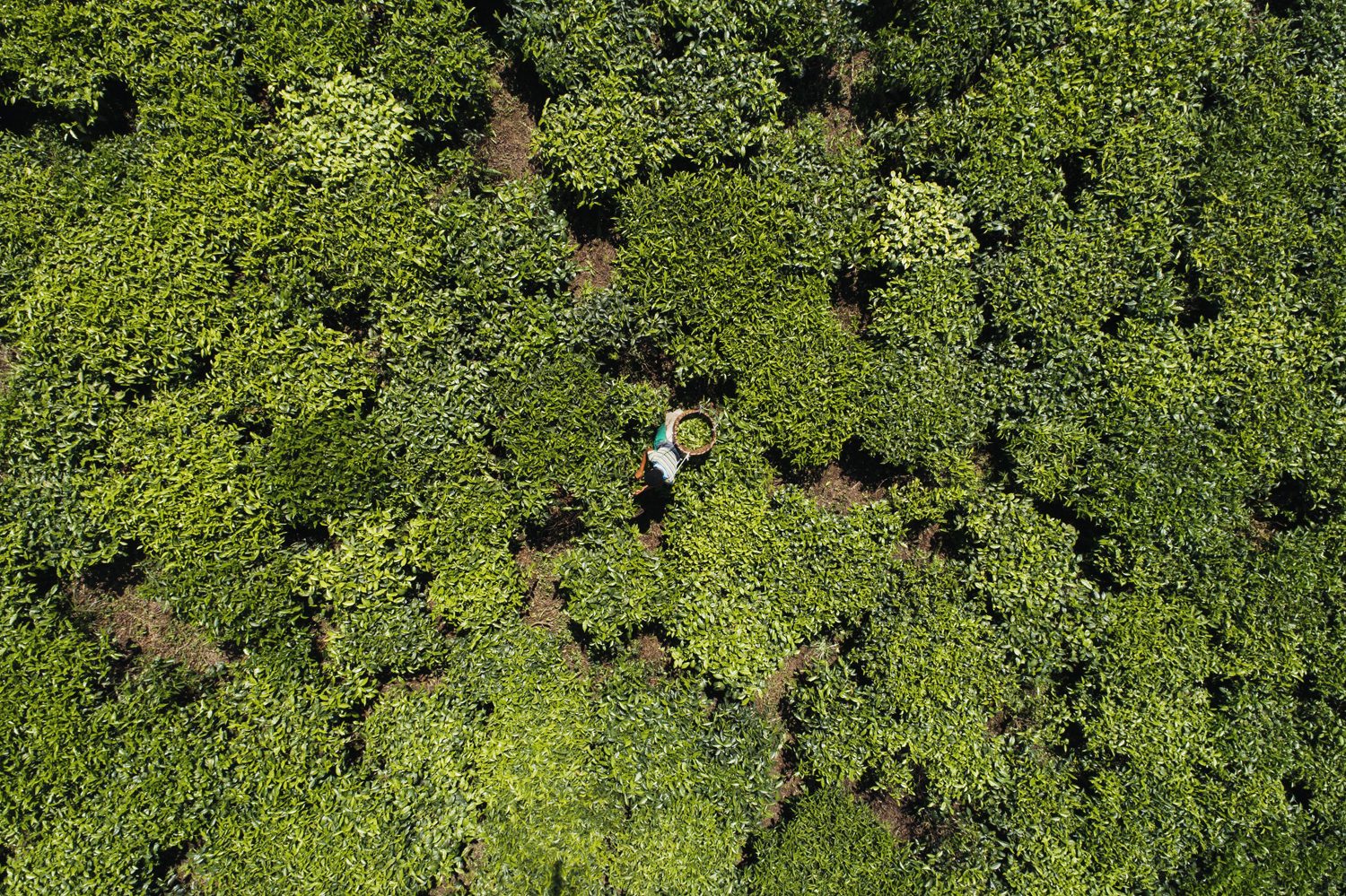
Known as the land of a thousand hills, Rwanda has five volcanoes, 23 lakes and numerous rivers. The country covers 10,169 square miles or 26,338 square kilometres.
Much of the country lies at elevations between 1,500m and 2,500m. The highest peak is Mount Karisimbi at 4,507m and the lowest point is the Rusizi river at 950m above sea level.
The terrain is often uneven and sensible shoes are essential.